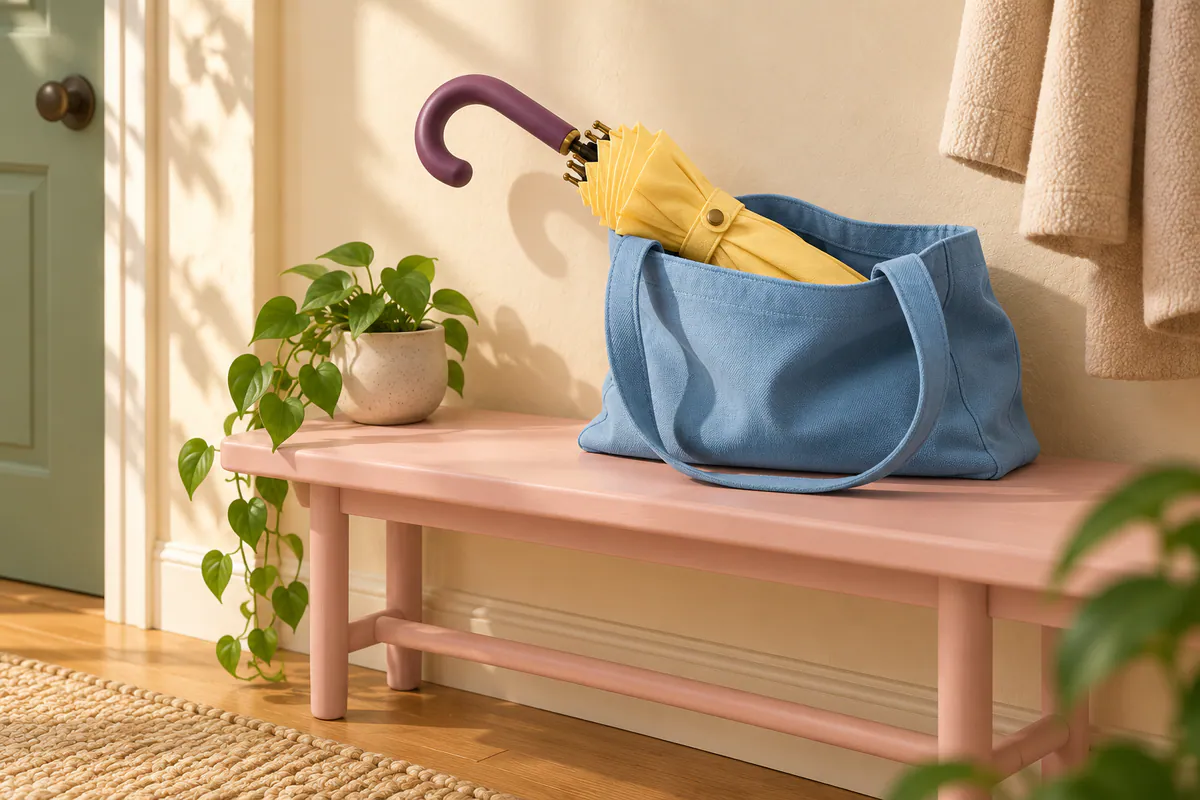
A friend offers you an umbrella before you leave in the rain. You need it, and they have a spare. Yet your first response is “No, I'm fine,” followed by a plan to buy them something in return. The offer was small; accepting it suddenly feels complicated.
Practical help can include a lift, a meal, carrying a bag, or showing you how to do an unfamiliar task. This guide offers ways to accept a manageable offer while keeping your preferences and limits. You do not have to accept every offer, and you do not have to turn every kindness into a debt.
Identify what makes this particular offer difficult
Pause long enough to finish the sentence: “If I accept, I'm worried that...” Perhaps you expect to look incapable. Perhaps a previous favour came with demands later. Or perhaps you simply dislike not knowing the terms.
Those are different concerns. If the problem is uncertainty, a question may help: “Are you sure you won't need the umbrella this evening?” If the problem is the size of the offer, you can accept part of it: “A lift to the station would help; I can manage the rest.”
The NHS guidance on reframing unhelpful thoughts suggests examining the evidence behind a thought and considering other explanations. Here, “They think I can't cope” might become “They noticed a practical problem and offered something useful.” That alternative is a possibility, not a claim that every person's motives are generous.
Check the terms before saying yes
Some offers are clear. “Take this spare umbrella and bring it next week” names both the help and the expectation. Others need a brief conversation, particularly when time, money, access to your home, or an ongoing commitment is involved.
Try: “Thank you. Is this something you're offering for today, or were you thinking of a regular arrangement?” Or: “Before I say yes, would you expect me to cover the fuel?” A direct question can prevent both people from relying on different assumptions.
For a borrowed object, agree on how it will come back. For a lift, confirm the destination. For help with a task, clarify what you want done. Accepting support is easier to evaluate when the offer has boundaries you can actually understand.
You are also allowed to decline. An offer that includes pressure, unwanted access, secrecy, or conditions you are uncomfortable with does not become suitable just because someone calls it helpful.
Use a thank-you that does not argue with the offer
A simple response can be: “Yes, thank you. That would make this afternoon easier.” It tells the other person that you accept and that their offer is useful.
Compare that with: “You really shouldn't, I'm such a nuisance, I don't deserve this.” You may mean to express gratitude, but the other person now has to reassure you as well as help. You do not need to criticise yourself to show that you appreciate their effort.
If you have already refused automatically, you can change course: “Actually, I've thought about it, and I'd appreciate that lift if the offer still stands.” Give them room to say that their availability has changed. A revised answer is a request, not a demand.
Accept help without surrendering the whole task
Suppose a friend offers to help you prepare for a visit. You want help moving a table, but you do not want your cupboards reorganised. Say: “Moving the table would be great. I'd like to handle the kitchen myself.”
This makes the help more specific and preserves your say in what happens. You can also ask to learn rather than have someone take over: “Could you show me the first step, then let me try?” Receiving assistance and building your own skills can belong in the same conversation.
If the helper starts doing more than you agreed, return to the boundary: “Thanks, that's the part I needed. I'll take it from here.” Gratitude does not remove your ability to stop or redirect an activity.
Notice the urge to repay immediately
After accepting a small favour, you may feel an impulse to offer something larger in return. Before acting, ask whether you made an agreement or are trying to get rid of an uncomfortable feeling.
If you agreed to reimburse a cost or return an item, follow through. If there was no such agreement, a sincere thank-you may be enough for this exchange. You can care about reciprocity over time without assigning an immediate price to every act of support.
For example, after receiving a lift, you might send: “Thanks for getting me to the station. It made the journey much easier.” You do not need to promise unlimited future lifts or buy an expensive gift you cannot comfortably afford.
If the person later raises an unexpected expectation, discuss that directly: “I didn't understand the lift as an agreement to do that. Let's talk about what you meant.” Do not assume you must accept a new obligation because you already accepted help.
Choose one small offer to practise with
You do not have to become comfortable with every kind of support today. Start with an offer that is useful, limited, and from someone whose behaviour gives you reason to trust them. Notice what actually happens after you accept, rather than treating your first prediction as the outcome.
If kind words are harder than practical offers, accepting a compliment without talking yourself down addresses that related but different situation.
You can use TherapyWithAI to rehearse a brief acceptance using fictional details: “Help me say yes to a neighbour's offer while clarifying the return date.” AI cannot assess someone's intentions or replace professional care.
For the next suitable offer, try one clear sentence: “Yes, thank you. That would help.” Then confirm any practical terms. You can receive support and still keep your judgment, your boundaries, and your choice about what happens next.