You took up sketching because you liked looking closely at things. Now opening the sketchbook means thinking about missed practice days, unfinished lessons, and whether anything is good enough to share. The activity is still yours, but it has acquired a job description you never meant to write.
When a hobby starts feeling like an obligation, you do not have to choose immediately between pushing harder and giving it up. You can change one condition around it and see what the experience is like. The aim is to make room for interest, not to become better at relaxing.
Name the extra job the hobby has acquired
Ask yourself what you now expect this activity to produce. A finished object? Daily progress? Something worth posting? A useful side income? There is nothing wrong with wanting any of those things. The question is whether you still want them every time you sit down.
For example, “I like baking, but I dread photographing everything before anyone can eat” points to a different problem from “I no longer like baking.” So does “I enjoy playing music alone, but the weekly performance group is too much right now.” Be specific enough to separate the activity from the obligations surrounding it.
Write one plain sentence: “The part I enjoy is choosing colors; the part I dread is needing a finished painting.” This is an observation, not a verdict about your discipline or character.
Try one session with a smaller agreement
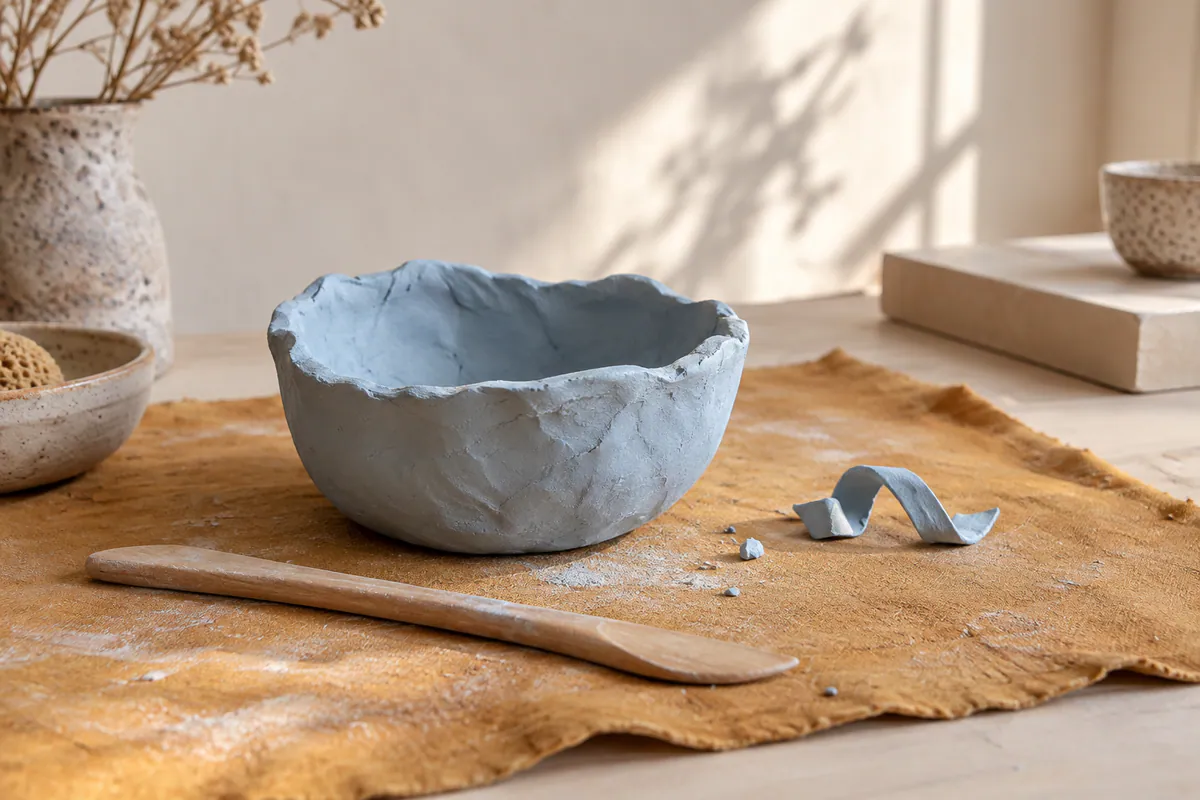
Choose a version that uses what you already have. Draw one object without finishing the page. Play a familiar song without recording it. Work with a small piece of clay without deciding what it must become. If preparation is the barrier, make the setup smaller rather than buying a new system.
You might tell yourself: “For this session, I can explore, repeat something easy, or stop.” A short time window can help if it feels welcoming; skip the timer if it turns into another target. There is no required number of minutes that makes leisure count.
The NHS guidance on being happier notes that enjoyable activities can support emotional wellbeing. It does not say every hobby session must improve your mood. The suggestions here are practical experiments, not a treatment plan or a promise that enjoyment will return on demand.
Decide whether this session needs an audience
Sharing can be a lovely part of a hobby. It can also change what you pay attention to: how a project will look in a photo, whether anyone will react, or how it compares with someone else's work.
If that fits your experience, try keeping one session private. You can decide later whether to share anything. “I'm making this for myself today” is enough of a reason. You do not need to announce a break from posting or turn privacy into another permanent rule.
If a friend regularly asks for updates, you could say: “I'm taking the progress reports out of this for a while. I'd still love to hear what you're enjoying.” Our guide to asking for listening before advice can help if you want to talk about the pressure without receiving another improvement plan.
Keep ambitions where they belong
Maybe you genuinely want to finish a course, enter an exhibition, or improve a skill. You do not have to abandon that ambition to have an easier afternoon. Consider separating a practice session from a play session, with different expectations for each.
In practice, you might work on one technique and accept some frustration. In play, you might use familiar materials and follow your curiosity. Neither has to prove that the other was worthwhile. If keeping two categories feels like too much administration, simply ask before starting: “What am I hoping for today?”
Where other people depend on you, be clear about actual commitments. A paid order or an agreed group performance may need a conversation before you change plans. Personal permission to rest does not require pretending those commitments do not exist; it may mean making fewer new ones.
Let the result be ordinary information
Afterward, notice one thing: Was it easier to begin? Did any part interest you? Would you like to do it again under similar conditions? Avoid giving the session a score or demanding a big emotional change.
You might discover that you miss the hobby, that you prefer a different version of it, or that you want a pause. Supplies already purchased do not create a lifelong obligation. You can put them away without deciding today whether you will return.
If loss of interest extends across much of your life, persists, or comes with distress or difficulty managing daily activities, speak with a qualified health professional. A change in one hobby cannot explain the whole picture, and this article cannot assess it.
You can use TherapyWithAI to put your expectations into words or brainstorm a smaller version of an activity. Use a fictional example and leave out identifying details. AI can support reflection, but it cannot diagnose a loss of interest or replace professional care.
For your next session, remove one expectation you did not deliberately choose. Then give yourself permission to find out what remains.