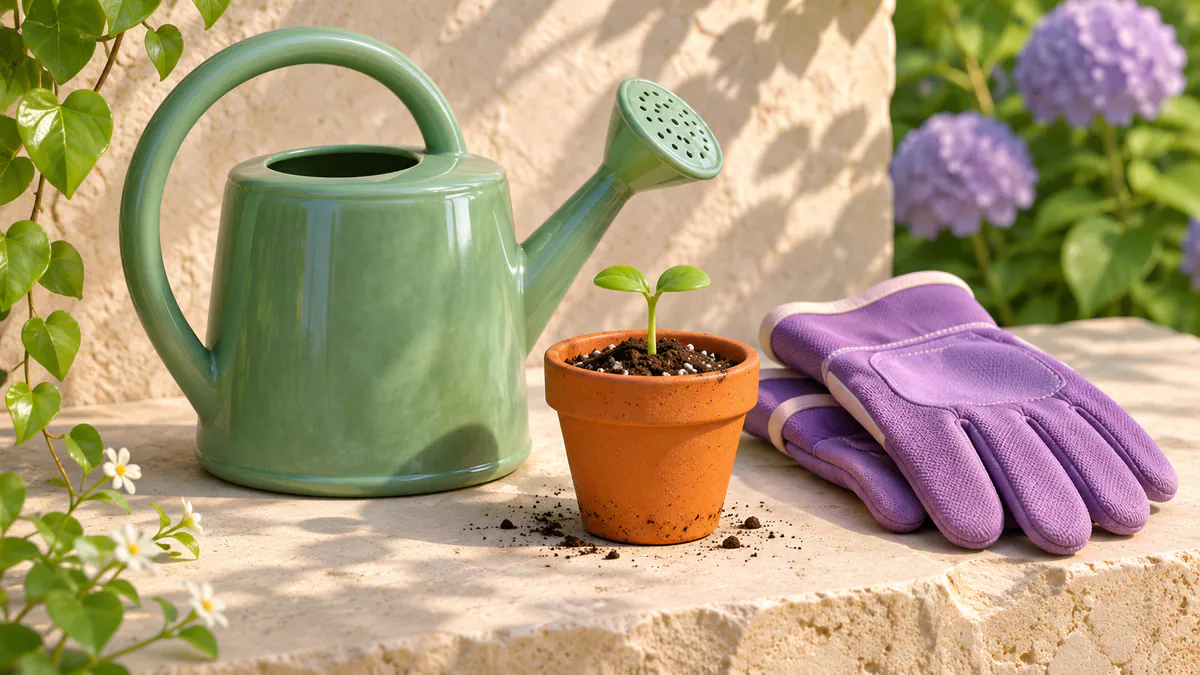
You spend half an hour tending a few plants. You enjoy noticing a new leaf, moving a pot into the light, and getting soil off your hands. Then you reach for your phone and begin arranging everything for a photograph. The activity is finished, but it suddenly feels as though it still needs an audience.
Sharing a hobby can be enjoyable. It can help you find people who care about the same things. You are also allowed to keep an activity mostly to yourself. A private interest does not need a public record to count as part of your life.
Separate doing the activity from documenting it
Think about the last time you enjoyed your hobby. Which part mattered: the movement, the concentration, the experiment, the conversation, or the finished object? Then ask what sharing added. Perhaps a friend gave useful advice. Perhaps writing a caption turned a pleasant afternoon into another task.
Neither answer makes posting good or bad. It helps you choose which parts you want today. You might enjoy taking photographs but dislike publishing them, or love a small group chat while finding a public account tiring. Those are different choices, not a single decision to be either visible or completely hidden.
For one session, decide in advance: “Today I want to tend the plants. I can decide about a photograph afterward.” Give the activity a chance to finish before adding a second job.
Choose a purpose that does not require a response
The NHS guidance on mental wellbeing includes learning new skills and finding activities you enjoy. It describes possible benefits such as purpose, confidence, and connection. It does not make an audience or a qualification a requirement.
Write a reason that belongs to the activity itself: “I like working with my hands,” “I want to recognise these plants,” or “This gives me a pleasant way to spend Saturday morning.” You can still appreciate encouragement. The point is to have a reason available on days when nobody comments.
Choose an equally concrete sign that the session was worthwhile. You repotted one plant, tried a chord change, or spent twenty minutes drawing. Avoid making enjoyment another score you must maximise. An ordinary, mixed afternoon can still be an afternoon you chose.
Set a small sharing boundary
You do not need to announce a permanent withdrawal from social media. Try a limited choice that you can revise: no posting during the activity, one photograph kept in a private album, or sharing only when you actually want a conversation.
For example, you might take a picture of a seedling to remember its size. That image can remain a practical record. You do not have to turn it into an update, choose a caption, or explain why the other pots are not doing as well.
If a friend says, “You should make an account for this,” a short answer is enough: “I'm enjoying keeping it small for now.” If they offer to post your work for you, be specific: “Please check with me before sharing photographs of what I make.” You can welcome their enthusiasm and keep the decision about publication.
Keep connection without making everything public
Privacy does not have to mean doing everything alone. You can attend a class, swap a cutting with a neighbour, or send one person a photograph because you think they would enjoy it. A small conversation can serve a different purpose from maintaining a public feed.
Ask for the kind of response you want. “Could you help me work out why this leaf changed colour?” is different from “Look what finally grew.” When you only want to share a pleasant moment, you can say so without opening the whole project to critique.
If you find yourself dismissing a friend's kind response, accepting a compliment without talking yourself down offers language for that separate situation. Keeping your hobby private does not require rejecting appreciation when you choose to share it.
Let unfinished things stay unfinished in public
Some interests involve long stretches that produce little worth photographing: practising a movement, rereading instructions, or waiting for a plant to change. You can let those stretches exist without inventing a story about progress.
You also do not owe an explanation for a project you put aside. If someone asks about it, try: “I haven't worked on that recently. I'm deciding whether I want to return to it.” That is a complete update. You need not promise a finished result to make an earlier moment of enthusiasm legitimate.
If the main problem is that the hobby itself feels compulsory, rather than the sharing, when a hobby feels like another obligation addresses adjusting the commitment. Here, the smaller question is whether documenting the activity is something you still want to do.
Review the boundary after trying it
After a few sessions, notice what changed. Did you spend more time on the activity? Did you miss a particular conversation? Did keeping a private record suit you better? Use those observations to adjust the boundary instead of treating one experiment as a rule for every hobby.
You can use TherapyWithAI to rehearse a reply such as, “I appreciate your interest, but I'm keeping this project offline.” Use fictional details if you prefer. AI can help you explore wording; it cannot decide your boundaries or replace professional care.
For your next session, choose one thing you want to do and one decision about sharing. You may end up posting, sending a picture to a friend, or putting the phone away. The activity can matter before anyone else sees it.